Your Prescription Receipts Are Lying to You — Here's How to Catch the Mistakes

Nobody likes digging through old receipts. But when it comes to prescription medications, ignoring that paper trail might be costing you serious money. Pharmacy billing errors happen constantly — not always because someone is trying to cheat you, but because the system is genuinely complicated. Insurance codes get entered wrong. Generic substitutions don't get applied. You get charged a brand-name copay when you should be paying generic pricing. Sometimes you even get billed twice for the same fill.
The frustrating part? Most of these mistakes go completely unnoticed. You hand over your card, grab your bag, and walk out. That's exactly what pharmacies — and insurers — are counting on.
Let's change that.
Why Pharmacy Billing Errors Are More Common Than You Think
The prescription billing process involves a surprisingly long chain of handoffs: your doctor sends a prescription, the pharmacy enters it into their system, that data gets transmitted to your insurer, the insurer runs it through their formulary, and a price gets calculated and sent back — all in a matter of seconds. When you're dealing with that many moving parts, errors creep in.
Common mistakes include:
- Wrong day supply billed — You picked up a 90-day supply but got charged for three separate 30-day fills, each with its own copay.
- Brand charged instead of generic — Your insurer approved a generic, but the pharmacy dispensed (or billed) the brand. That price difference can be enormous.
- Duplicate billing — The same prescription gets run through insurance twice, especially common after a system glitch or a refill that got partially processed.
- Incorrect quantity — You were supposed to get 60 tablets but the receipt shows 30, yet you paid full price.
- Wrong tier classification — Your drug got slotted into a higher formulary tier than it should be, bumping your copay up significantly.
- Coordination of benefits errors — If you have two insurance plans, the billing order matters. Getting it wrong can mean your secondary coverage never kicks in.
Any one of these can cost you anywhere from a few bucks to over a hundred dollars per fill. Multiply that across multiple medications and twelve months, and you're potentially looking at a four-figure mistake.
Step One: Pull Your Records Together
Before you can spot a problem, you need the raw material. Here's what to gather:
Pharmacy receipts — Most pharmacies keep at least 12 months of transaction history accessible through their app or website. Log in and download everything. If you've been filling at multiple pharmacies, you'll need to pull records from each one.
Explanation of Benefits (EOB) statements — Your insurance company is required to send you an EOB every time a claim gets processed. These show what was billed, what insurance paid, and what you owed. If you haven't been saving them, log into your insurer's member portal — they're almost always archived there.
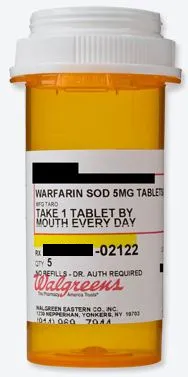
Your actual prescription bottles — These are your ground truth. The label shows the drug name, strength, quantity, and day supply. Cross-reference these details against what was billed.
Step Two: Run the Comparison
Line up your pharmacy receipts against your EOBs. For every prescription, verify the following:
- Drug name and strength match — Is the medication on the receipt the same as what's in your bottle?
- Quantity and day supply match — Does the receipt reflect what you actually received?
- Copay matches your plan — Check your insurance card or member portal for your tier-based copay amounts. Does what you paid line up?
- No duplicate entries — Look for the same drug, same date, appearing more than once.
- Generic vs. brand pricing — If you received a generic, you should be paying generic-tier pricing. If the EOB shows a brand-tier cost, something went wrong.
This process sounds tedious, but once you've done it once, you'll know exactly what to look for and it gets much faster.
Step Three: Flag the Discrepancies
When you find something that doesn't add up, write it down. For each potential error, document:
- The date of the transaction
- The drug name, strength, and quantity as listed on the receipt
- What your bottle actually says
- What you paid vs. what you believe you should have paid
- The relevant EOB entry
Keep copies of everything. You're building a case file, and the more organized you are, the faster disputes get resolved.
Step Four: Make the Call — and Know Who to Call
For billing errors that involve only the pharmacy (wrong quantity billed, day supply issue, etc.), start at the pharmacy counter or call their billing department directly. Be calm, be specific, and reference your documentation. Most legitimate errors get corrected pretty quickly at this level.
For errors that show up on your EOB — wrong tier, coordination of benefits issues, duplicate claims — you'll need to contact your insurance company. Call the member services number on your insurance card and ask to open a billing dispute. Request a case number and get the name of whoever you speak with.
If you're getting pushback on a tier classification error, ask your doctor to submit a formulary exception request. This is a formal process where your physician explains why a specific drug should be covered at a lower tier, and insurers are required to respond within a set timeframe.
Step Five: Follow Up (Seriously, Follow Up)
Disputes don't resolve themselves. If you haven't heard back within the timeframe you were given, call again. Document every interaction. If a refund is owed, confirm when it will appear and on which payment method.
For larger disputes — we're talking hundreds of dollars — you also have the option of filing a complaint with your state's insurance commissioner. This sounds like overkill until you realize that insurers pay close attention to regulatory complaints. It's a legitimate lever.
Make the Audit a Habit
The most effective thing you can do is build a quick monthly review into your routine. Spend ten minutes after each pharmacy visit comparing your receipt to your EOB. It's not glamorous, but it's the kind of unglamorous habit that keeps real money in your wallet.
At CheapRx Pills, we're big believers in the idea that saving money on medications isn't just about finding lower prices — it's about making sure you're only paying what you actually owe. Billing errors are a hidden leak in your budget, and plugging them is one of the fastest ways to cut your annual prescription spending without changing a single medication.
Your receipts have been talking. It's time to start listening.