30-Day or 90-Day Refills: The Answer Isn't What Your Pharmacy Wants You to Think
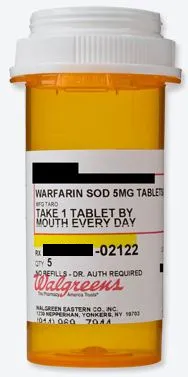
Photo: JCRules, CC BY-SA 3.0, via Wikimedia Commons
Bulk buying is basically an American religion at this point. Warehouse clubs, family-size cereal boxes, 48-roll packs of paper towels — we're conditioned to believe that more units always means a lower cost per unit. And usually, that logic holds.
But prescription medications don't always play by those rules. The refill length that saves you the most money depends on a tangle of factors: your insurance tier, which pharmacy you use, whether you're on a maintenance med or something short-term, and frankly, which direction the wind is blowing at your PBM's pricing desk this quarter.
Let's cut through the noise.
Where the 90-Day Advantage Is Real
For people on maintenance medications — think blood pressure drugs, statins, thyroid medication, antidepressants, or diabetes management drugs — the 90-day supply genuinely tends to be the better financial move. Here's why:
Mail-order pharmacy pricing is built for bulk. Most insurance plans that include a mail-order pharmacy option (through companies like Express Scripts, Optum Rx, or CVS Caremark's mail service) price 90-day supplies at roughly the equivalent of a two-month copay. You get three months of medication for the price of two. That's a 33% discount per dose, and it's baked right into your plan design.
Fewer dispensing fees. Every time a pharmacy fills a prescription, there's a dispensing fee wrapped into the price — usually a few dollars, but it adds up. Three 30-day fills means three dispensing fees. One 90-day fill means one. Over a year, that's potentially $24–$36 in fees you're just not paying.
Less friction. This one isn't financial, but it matters: fewer trips to the pharmacy, fewer chances to miss a refill, fewer gaps in your medication schedule. Consistency with maintenance meds has real health value, and 90-day supplies support that.
When 90-Day Refills Actually Cost More
Here's where the conventional wisdom falls apart.
Retail pharmacy 90-day pricing isn't always discounted. If you're picking up a 90-day supply at a brick-and-mortar pharmacy rather than through a mail-order service, your plan may charge you three times the 30-day copay — not two times. You get no bulk discount at all. You're just paying more upfront for the same per-dose cost.
Before assuming your local pharmacy is giving you the 90-day deal, ask explicitly: "Is the 90-day supply priced at two copays or three?" The answer will tell you everything.
High-deductible health plans (HDHPs) can punish bulk buyers. If you're in your deductible phase, a 90-day supply means you're paying a larger lump sum before your insurance kicks in. That's $600 out of pocket today versus $200 a month for three months. Depending on your cash flow and how close you are to hitting your deductible, spreading costs out in 30-day increments might actually be smarter — especially if hitting your deductible mid-year means the rest of your fills become much cheaper.
New prescriptions are almost always a 30-day situation. Starting a medication you've never taken before? Do not fill 90 days. Side effects, dosage adjustments, and prescription changes are common in the first weeks. A 90-day fill of a medication you end up not tolerating is money you can't get back.
The Decision Framework: How to Figure Out Your Best Move
Use this quick checklist to determine which refill strategy fits your situation:
Go 90-Day If:
- You've been stable on this medication for at least 3 months
- Your insurance plan offers a mail-order option with a 2-copay pricing structure for 90-day supplies
- You've already hit your annual deductible (or you're close enough that the 90-day fill will push you over)
- The medication is a generic — lower base cost means the bulk discount percentage hits harder
- You have predictable, consistent dosing (no titration, no PRN use)
Stick With 30-Day If:
- You're just starting a new medication or recently changed your dose
- Your retail pharmacy charges three full copays for a 90-day supply
- You're deep in your deductible and cash flow is a concern
- The drug is expensive enough that buying 90 days' worth upfront would strain your budget
- Your prescription might change — upcoming labs, follow-up appointments, or a pending specialist visit
The Discount Card Wildcard
Here's a scenario worth considering: what if neither your 30-day nor your 90-day insurance pricing is actually the best deal available?
For generic medications especially, cash-pay prices through discount programs — including what you'll find at CheapRx Pills (cheap8cpills.com) — can undercut both insurance options. A generic statin that costs $45 for a 90-day supply through your plan might run $12–$18 cash through a discount pharmacy. At that price, you'd be silly not to buy 90 days.
The catch: paying cash typically doesn't apply toward your deductible. So if you're trying to hit your deductible to unlock better pricing on other medications, paying cash on one drug might cost you savings elsewhere. It's a balancing act, and it's worth doing the math on your full medication list — not just one prescription.
A Quick Example to Make It Concrete
Let's say you take a generic blood pressure medication. Your insurance prices it at:
- 30-day supply: $15 copay
- 90-day mail-order: $30 copay (2x pricing — a genuine deal)
- 90-day retail: $45 copay (3x pricing — no savings at all)
- Cash price at a discount pharmacy: $11 for 90 days
If you haven't hit your deductible and aren't close to it, the $11 cash price wins — full stop. If you're close to your deductible, the $30 mail-order supply might be worth it just to log the spend. If you're at a retail pharmacy assuming you're getting a bulk deal, you're paying $45 for absolutely nothing.
The numbers change by drug, by plan, and by pharmacy. The point is: you have to ask.
Bottom Line
The 90-day refill is a genuinely powerful savings tool — but only under the right conditions. Mail-order pricing structures, stable maintenance medications, and post-deductible timing all tilt the math in favor of going big. But blindly assuming bulk equals better will cost you money in plenty of real-world situations.
Check your plan's mail-order pricing. Compare it to cash prices. Ask your pharmacy directly how they price extended supplies. And for anything new or unpredictable, keep it short until you're sure.
At CheapRx Pills, we're big believers in buying smart — not just buying more. Browse our pricing on your maintenance medications and see how the numbers stack up before your next refill.