Why Americans Are Paying a Fortune for Pills That Cost Pennies to Make
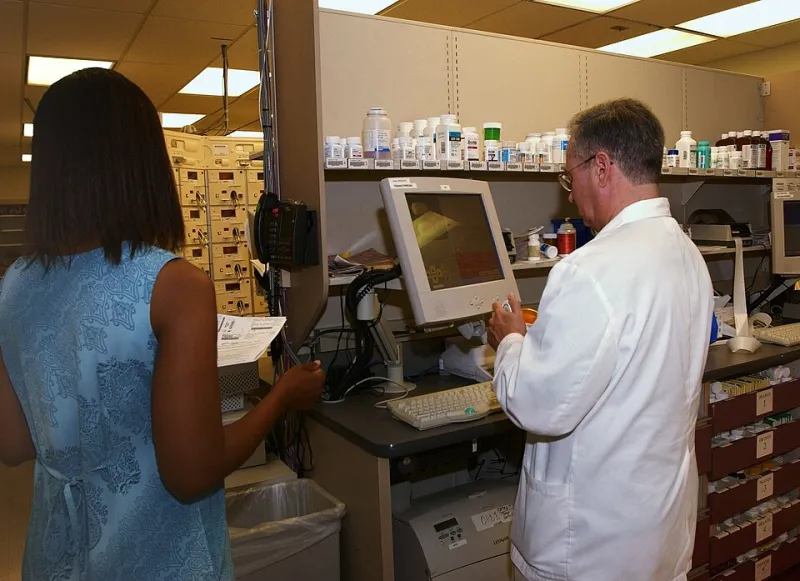
Photo: U.S. Navy photo by Chief Warrant Officer 4 Seth Rossman., Public domain, via Wikimedia Commons
Every year, millions of Americans stand at a pharmacy counter, squint at a receipt, and quietly wonder: how is this possible? A 30-day supply of a common blood pressure medication. A basic antidepressant. A diabetes drug their doctor has been prescribing for a decade. The prices can feel almost fictional — three figures, sometimes four, for a tiny bottle of tablets.
Here's the uncomfortable truth: in most cases, you're not paying for the medication. You're paying for the brand.
The Brand-Name Markup Is Real — and It's Massive
Let's put some numbers on the table. Lipitor, the blockbuster cholesterol drug from Pfizer, once retailed for over $165 for a 30-day supply. Today, its generic equivalent — atorvastatin — can be purchased for as little as $10 to $15 at discount pharmacies, and sometimes even less when you buy in bulk. That's not a small difference. That's an 80 to 90 percent markdown for the exact same active ingredient, the exact same dosage, the exact same therapeutic effect.
Or consider Zoloft, one of the most commonly prescribed antidepressants in the country. Brand-name pricing at major chain pharmacies can run $120 or more per month. The generic, sertraline? Often under $15. For a patient managing depression long-term, that gap translates to over $1,200 a year in unnecessary spending.
These aren't edge cases. This pricing dynamic plays out across hundreds of medications — from heartburn drugs to blood thinners to thyroid treatments.
So What Are You Actually Paying For?
Pharmaceutical companies invest enormous sums in research and development. That part is real, and it does justify a premium during the period when a drug is still under patent protection. New drugs can take over a decade and hundreds of millions of dollars to bring to market, and companies need a way to recoup those costs.
But here's where it gets complicated: most patents expire within 20 years of filing — often sooner in practical terms. Once that happens, other manufacturers are legally allowed to produce the same drug in generic form. The FDA requires generics to contain the same active ingredient, in the same dosage, with the same route of administration. They have to meet rigorous bioequivalence standards. In plain English: a generic has to work the same way.
Yet brand-name manufacturers don't simply lower their prices when generics hit the market. Instead, they often raise them — banking on brand loyalty, patient inertia, and the fact that many consumers simply don't know they have options.
The Pharmacy Markup Layer You Didn't Know About
Drug pricing doesn't stop at the manufacturer. By the time a medication reaches your hands, it's passed through a surprisingly complex chain: manufacturers, wholesalers, pharmacy benefit managers (PBMs), insurance companies, and retail pharmacies. Each step adds cost. Each player takes a cut.
PBMs — the largely invisible middlemen who negotiate drug prices between insurers and pharmacies — have come under increasing scrutiny from lawmakers and consumer advocates. Critics argue that their opaque rebate structures can actually incentivize higher list prices, because larger rebates are easier to negotiate when the sticker price is inflated to begin with.
For the uninsured or underinsured, this system is especially brutal. Without an insurer negotiating on your behalf, you're often stuck paying something close to the full retail price — which can be dramatically higher than what insured patients pay.
Real People, Real Numbers
Take Sandra, a 58-year-old retired teacher from Ohio managing Type 2 diabetes and high cholesterol. For years, she was filling brand-name prescriptions through her local chain pharmacy, spending nearly $400 a month out of pocket after her Medicare coverage gaps. When her pharmacist finally mentioned generics — and she started comparing prices online — she switched to generic metformin and atorvastatin and cut her monthly bill to under $60.
"I was embarrassed that I didn't ask sooner," she said. "Nobody tells you. You just assume the doctor wrote it that way for a reason."
Or consider Marcus, a 34-year-old freelance graphic designer in Texas who doesn't carry health insurance. He was paying $180 a month for a brand-name allergy medication until a friend pointed him toward generic alternatives and discount pharmacy options. His current monthly cost? About $22.
"It genuinely felt like a scam when I found out," he said. "Not from my doctor — but from the whole system."
Generics Are Just as Safe. Full Stop.
One of the biggest myths holding people back from switching is the idea that generics are somehow inferior — cheaper ingredients, looser standards, less reliable results. This is simply not supported by science or regulation.
The FDA's generic drug approval process requires manufacturers to demonstrate that their product performs the same way in the body as the brand-name version. The active ingredient must be identical. The allowable variation in absorption rates is tightly controlled — in fact, the standards are similar to what's permitted between different batches of the same brand-name drug.
The American Medical Association, major hospital systems, and virtually every major health authority in the US endorses generic substitution as safe, effective, and financially responsible.
How to Start Saving Without Switching Doctors or Diagnoses
You don't need to overhaul your healthcare routine to stop overpaying. A few practical moves can make a big difference:
Ask your doctor about generics at every visit. Physicians often default to brand names out of habit or because that's what the drug rep promoted. Simply asking "Is there a generic for this?" can change the conversation immediately.
Compare prices before you fill. Pharmacy prices vary wildly — sometimes by hundreds of dollars — for the exact same prescription. Online tools and discount pharmacy platforms like CheapRx Pills let you compare costs and find the best available price before you commit.
Consider 90-day supplies. Many pharmacies charge less per pill when you fill a larger supply. If you're on a maintenance medication — something you take every day for a chronic condition — a 90-day or bulk order can meaningfully reduce your per-dose cost.
Look into discount programs. Even for brand-name drugs that don't yet have a generic, manufacturer coupons and third-party discount programs can take a significant chunk off the retail price.
The Bottom Line
The American drug pricing system is complicated, often frustrating, and — for many patients — genuinely harmful. But within that system, there are real, legal, FDA-approved ways to pay dramatically less for the same medications.
Generics work. Discount pharmacies work. Bulk purchasing works. And the first step is simply knowing that the price on the pharmacy receipt is almost never the only price available to you.
At CheapRx Pills, we built our entire platform around that idea. Big savings on every prescription, every day — not as a marketing slogan, but as a practical commitment to making medication affordable for real Americans who are tired of being overcharged for their health.