FSA Deadline 2026: Turn Leftover Tax-Advantaged Cash Into OTC Supplies You Will Actually Use
Photo: The government of Las Bela., Public domain, via Wikimedia Commons
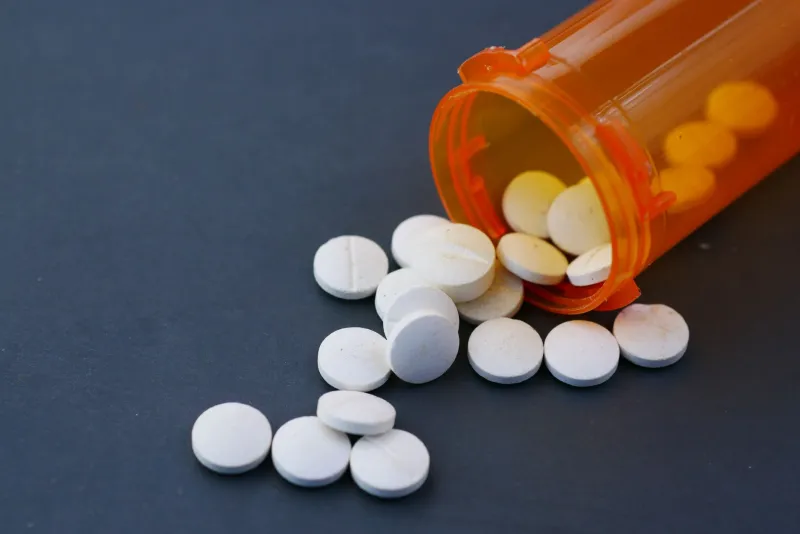
December 31, 2026 is not just a calendar page. For many US workers with a flexible spending account, it is the deadline that decides whether leftover money becomes medicine, bandages, and allergy tablets or disappears into the benefits void. The good news: you do not need to sprint through a drugstore on December 30 buying whatever is left on the shelf. A little planning can turn remaining FSA dollars into a useful OTC stash without paying a panic premium.
First, Confirm What Kind of Deadline You Have
FSA rules are not one-size-fits-all. Many plans use a use-it-or-lose-it deadline of December 31, but some offer a grace period into the next year or a small carryover. Others offer neither. HSA funds are different: they generally roll over and do not have the same year-end spending deadline.
Before you shop, log in to your benefits account or read the plan documents. Look for three things: the plan year end date, whether a grace period or carryover applies, and the submission deadline for claims. If your plan allows a grace period into 2027, you have breathing room. If it does not, December 31, 2026 is the line.
OTC Categories That Usually Qualify
Federal rules allow many over-the-counter medicines to be bought with FSA and HSA dollars without a prescription. Plan documents still control the details, so check before you buy. Common eligible categories include:
- Pain relievers and fever reducers
- Cold, flu, and allergy medicines
- Cough drops and throat lozenges
- Antacids, acid reducers, and anti-diarrheal products
- First-aid supplies such as bandages, gauze, and antiseptic
- Menstrual care products
- COVID-19 tests and some other home tests
- Sunscreen and sunburn treatments
- Contact lens solutions and some vision supplies
Vitamins and supplements are trickier. Many are not eligible unless a letter of medical necessity is on file. Cosmetic items and general health products are also often excluded. When in doubt, save the receipt and check with your plan administrator before you spend.
The Smart Cart: Bulk Without the Panic Premium
Year-end FSA shopping has a predictable problem: prices get less friendly when everyone is trying to spend down a balance. Do not assume the FSA store is the cheapest option. Compare the unit price at a big-box retailer, a warehouse club, and an online discount seller. A bulk pack of 100 bandages at a low unit price may be a better use of tax-advantaged dollars than a decorated 20-count box with a seasonal label.
The goal is not to spend every dollar. It is to buy things your household will actually use before they expire. A family with two kids in daycare can justify a larger cold-and-flu kit. A single adult with a small cabinet should not buy a 500-count bottle of pain reliever just because the balance is there.
Build a short list before you open a shopping tab: pain reliever, allergy tablets, cold medicine, first aid, menstrual products, and tests. Then check what you already own. Duplicate ingredients are a waste of money even when the money is tax-advantaged.
Keep the Paper Trail Clean
FSA and HSA purchases need documentation. Keep the itemized receipt that shows the product name and amount, not just the credit card slip. If you order online, save the order confirmation and the packing slip. If you use an FSA card, keep receipts anyway. Plan administrators can ask for substantiation later.
Label the folder or email folder with the plan year and purchase date. If you buy a bulk pack and split it between household members, the receipt still needs to match the eligible items. Do not mix in personal care products that are not eligible and hope the receipt blurs them together.
What Not to Buy Just Because It Is Eligible
Eligible does not mean necessary. Skip the giant bottle of cough syrup if no one in the house takes liquid cough medicine. Skip the 200-count allergy pack if you have not tried the ingredient and do not know whether it works for you. Skip anything expiring in a few months unless you will use it immediately.
Also watch for markups disguised as convenience. A preassembled FSA kit can be handy, but compare the unit price to buying the same items separately. You may be paying for a cardboard box and a label. Bulk buying works best when you choose the pack sizes, not when someone else chooses them for you.
A 20-Minute Year-End Routine
- Check your FSA balance and deadline.
- Confirm whether your plan allows a grace period or carryover.
- List what you will realistically use in the next six to twelve months.
- Compare unit prices across two or three sellers.
- Buy bulk only for high-use items with a long shelf life.
- Save itemized receipts and order confirmations.
- Submit claims before the plan deadline if you paid out of pocket.
If you have HSA dollars, you do not have the same use-it-or-lose-it pressure. Still, the same smart-shopping rules apply: buy eligible products you need, keep receipts, and do not let a tax advantage talk you into a cabinet full of duplicates.
The Bottom Line
Leftover FSA money is not a coupon that expires at midnight. It is your own money with a deadline attached. Spend it on a practical OTC kit, compare unit prices, and keep the receipts. You will start 2027 with a stocked cabinet instead of a drawer full of panic purchases.
This article is general information, not tax or medical advice. Check your plan documents and consult a tax professional for your specific situation.